
CGI ads beat a shoot when the shot is impossible, dangerous or slow to stage for real: liquids and splashes, macro material detail, products that do not exist yet, cutaways of a mechanism, or a giant product parked in a real city. A camera still wins when the ad depends on people, performance and real places. For most product-led campaigns, the strongest answer is a hybrid: the product in exact CGI, the world around it shot or generated.
Five shots where CGI product ads beat a camera
- Liquid and material simulation. A pour, a splash, a melt. For real, that means high-speed cameras and many takes. In CGI every droplet is art-directed.
- Impossible scale. Products the size of buildings, or a city reacting to the product. This is the "fake out-of-home" trend (more below).
- Inside the product. Exploded views, x-ray passes, a watch movement assembling itself.
- Before samples exist. The ad can be finished while the factory is still tooling. We compare this with photography in 3D product animation vs photography.
- Consistency. Every colorway, market and aspect ratio from one scene.
The fake OOH trend, and what to learn from it
In 2023, Maybelline posted a TikTok of London Tube trains wearing giant eyelashes, with mascara wands brushing them at the stations. It went viral and the campaign never physically existed. Per Modern Retail, animator Ian Padgham made the London and New York pieces, and earlier made Jacquemus bags on wheels rolling through Paris. Maybelline's Fernando Febres told the publication faux OOH was more cost-effective because it needs no physical location, production staff, permits or set materials, and added that the same activation in traditional out-of-home "probably wouldn't have gotten the eyeballs that we did."
Why it worked: one idea a child could describe (lashes on a train), real footage as the base so the CGI sits in a recognizable place, and a vertical, short, loopable cut built for the feed.
The caveat: Modern Retail notes British Airways was criticized for a faux OOH ad at Glastonbury that appeared to break the festival's advertiser rules. Fake billboards on someone else's property can backfire.
There is also a regulatory angle in the EU. From 2 August 2026, Article 50 of the AI Act requires deployers to disclose AI-generated or manipulated content that resembles real places or events and would falsely appear authentic, with a lighter touch for evidently creative work. Traditionally rendered CGI is not AI-generated, but a hybrid pipeline that uses generative video on real-looking locations may be. This is a summary, not legal advice.
Cost and timeline: a CGI commercial vs a shoot
| CGI | Traditional shoot | |
|---|---|---|
| Typical price | $2,000–8,000 for a short product animation; $10,000–50,000+ for commercial CGI animation (CADCrowd, 2026) | $3,000–15,000 per social video ad (NoHo Arts, 2025) |
| Timeline | Modeling, look development, animation, simulation, rendering | 2–6 weeks per batch for social video ads |
| Cheap changes | Early: storyboard and animatic | Before the shoot day |
| Expensive changes | After final simulation and render | After the shoot (reshoot) |
| Reuse | The model feeds stills, web 3D and future ads | Footage is fixed |
These ranges are not like-for-like, but they show the shape: CGI front-loads cost into the model and the look, after which extra shots, cutdowns and colorways get cheaper. A shoot is cheaper for one great day with real people.
The big CGI cost drivers are simulation, render time, shot count and late changes. Lock the animatic before anyone touches a fluid sim.
Hybrid CGI and AI pipelines
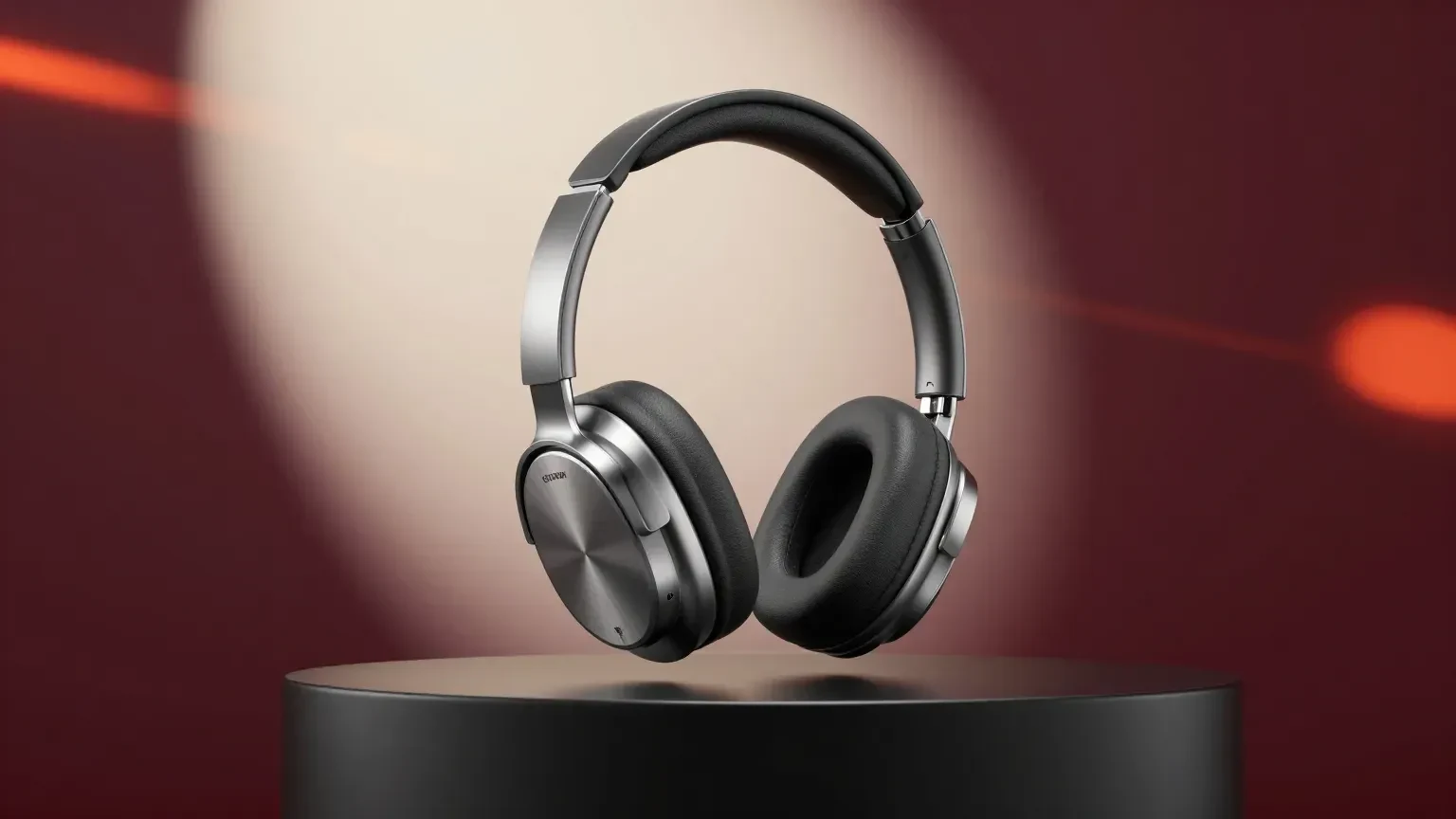
AI video models are good at atmosphere and camera motion but unreliable with labels and exact proportions. CGI is the opposite. Split the job:
- Model the product accurately: geometry, label, materials.
- Render hero keyframes, including start and end frames per shot.
- Generate motion and world with image-to-video models such as Kling.
- Composite the CGI product back wherever label or shape drifted.
- Edit, title and design sound, where most perceived quality arrives.
For a full cost and quality comparison between generative and traditional production, see AI commercial vs traditional production.
Brief a CGI commercial in four lines
- The one impossible image you want people to remember
- Three to five shots, not twelve
- Deliverables: 6, 15 and 30 seconds; 9:16, 1:1 and 16:9
- What must be exact (label, color, proportions) and what can be loose
Short of ideas? Start from our product launch video ideas.


